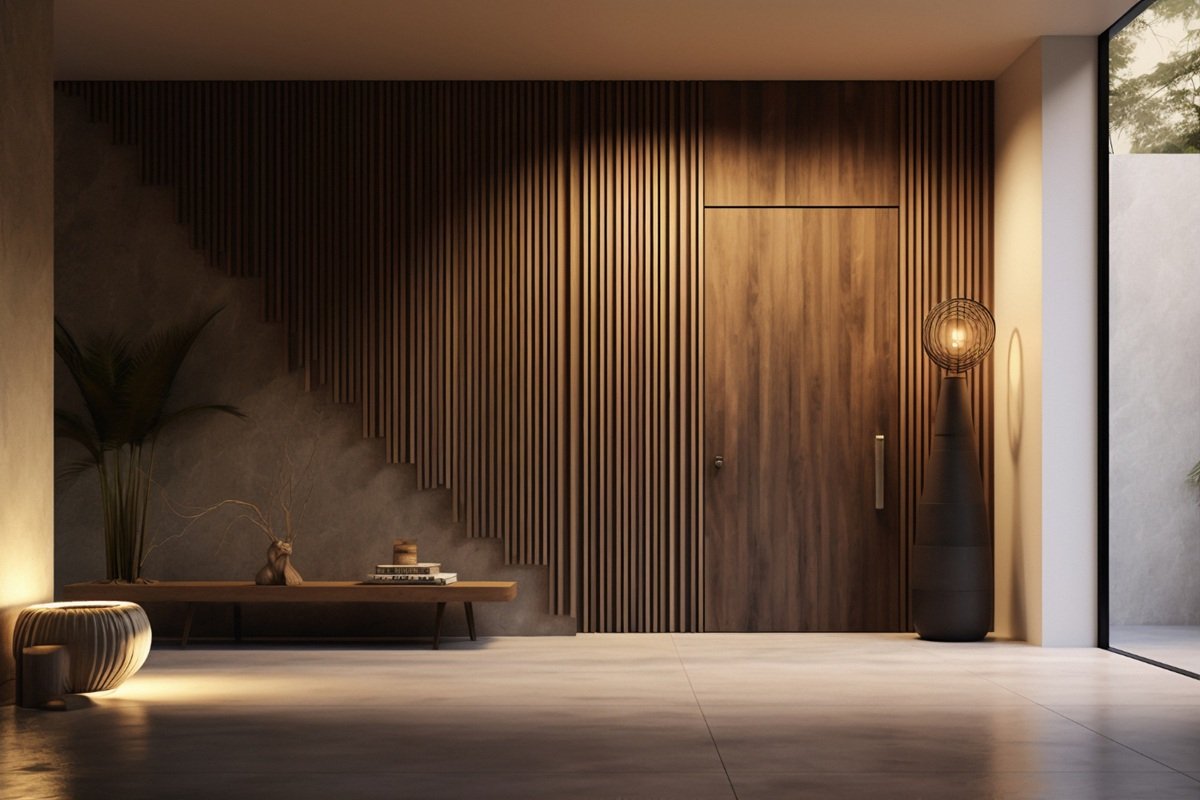

The way buildings are designed has changed significantly over the years. Today, architects and designers look for materials that combine visual appeal with long lasting performance. Along with creating attractive spaces, there is also a growing emphasis on durability, ease of maintenance, and efficient construction. This is where wall aluminium panels have become a preferred choice across residential, commercial, and institutional projects.
From sleek office buildings to elegant home interiors, aluminium wall panels offer the versatility to suit different architectural styles. They are lightweight, durable, and available in a wide variety of colours, textures, and finishes, making them an excellent solution for both interior and exterior applications.
In this guide, we’ll explore the benefits of wall aluminium panels, where they are commonly used, and the design trends that continue to shape modern architecture.
What Is Wall Aluminium?
Wall aluminium refers to aluminium based panel systems designed for covering interior and exterior walls. Most commonly, these are aluminium composite panels that consist of two aluminium sheets bonded to a specially engineered core. This construction provides excellent rigidity while keeping the panels lightweight and easy to work with.
Unlike conventional wall finishes, aluminium panels offer both protection and aesthetics. They help safeguard the building surface while giving it a clean, contemporary appearance. Their adaptability allows architects and designers to create everything from simple minimalist facades to bold architectural statements.
Benefits of Wall Aluminium Panels
Lightweight Without Compromising Strength
One of the biggest advantages of wall aluminium panels is their exceptional strength-to-weight ratio. Their lightweight construction makes transportation, handling, and installation easier, while still delivering the structural stability required for wall cladding applications. This also reduces the overall load placed on the building.
Excellent Resistance to Weather
Exterior walls are constantly exposed to sunlight, rain, humidity, dust, and changing temperatures. Aluminium panels are designed to withstand these environmental conditions while maintaining their appearance. Their corrosion resistant properties make them particularly suitable for long term outdoor use.
Low Maintenance Requirements
Building owners appreciate materials that look good without demanding constant upkeep. Aluminium wall panels require only basic cleaning to maintain their finish, making them a practical option for busy commercial buildings as well as residential properties.
Design Versatility
Every project has its own architectural identity. Aluminium panels can be fabricated into different shapes and sizes, allowing designers to create straight lines, curved surfaces, geometric patterns, and customised facades. This flexibility supports both traditional and contemporary designs.
Smooth and Premium Finish
One of the standout features of aluminium panels is their uniform appearance. Their smooth surface enhances a building’s visual quality and creates a polished, sophisticated finish that complements modern architecture.
Long Lasting Performance
When manufactured and installed correctly, aluminium wall panels provide reliable performance for many years. Their durability makes them a worthwhile investment for projects where longevity and appearance are equally important.
Applications of Wall Aluminium
The versatility of wall aluminium allows it to be used across a wide range of projects.
Exterior Building Facades
One of the most common applications is exterior cladding. Aluminium panels protect the building envelope while creating visually appealing facades that stand out in urban environments.
They are widely used for:
- Commercial office buildings
- Shopping centres
- Educational institutions
- Hospitals
- Residential apartments
- Hotels
- Airports
Interior Wall Designs
Aluminium wall panels are equally popular for indoor spaces where a clean and refined finish is desired.
Common interior applications include:
- Reception areas
- Office cabins
- Hotel lobbies
- Conference rooms
- Retail stores
- Lift lobbies
- Decorative feature walls
Its sleek finish helps create interiors that feel modern, organised, and inviting.
Renovation and Refurbishment
Older buildings often need a visual upgrade without extensive structural modifications. Aluminium wall panels provide an efficient solution by transforming existing surfaces with minimal disruption. Their lightweight nature also simplifies installation during renovation projects.
Commercial and Retail Spaces
Retail stores, restaurants, corporate offices, multiplexes, and automobile showrooms frequently use aluminium wall panels to create attractive interiors and eye catching exteriors. The wide choice of finishes allows businesses to achieve a professional and contemporary appearance.
Institutional Buildings
Schools, colleges, healthcare facilities, and public infrastructure projects benefit from aluminium panels because they combine durability with low maintenance, making them suitable for high traffic environments.
Modern Design Trends in Wall Aluminium
Architectural styles continue to evolve, and aluminium panels have adapted to meet changing design preferences.
Natural Inspired Finishes
Designers increasingly choose finishes that resemble natural materials such as wood and stone. These surfaces provide the warmth and elegance of natural textures while retaining the practical advantages of aluminium.
Matte Finishes
Matte surfaces have become a favourite for modern buildings because they create a subtle, sophisticated appearance. They also reduce glare and complement minimalist architecture.
Metallic Looks
Metallic finishes remain popular in commercial and corporate spaces. They add depth and create a premium appearance that works particularly well for contemporary building facades.
Contrasting Colour Combinations
Rather than using a single colour throughout the facade, designers often combine complementary shades to create visual depth and highlight architectural features.
Minimalist Architecture
Clean lines, uncluttered surfaces, and simple geometric forms continue to define contemporary architecture. Aluminium panels support this design philosophy with their smooth finish and precise fabrication capabilities.
Textured and Patterned Surfaces
Advances in manufacturing have made it possible to create textured, embossed, and patterned aluminium panels that introduce visual interest without overwhelming the overall design.
Choosing the Right Wall Aluminium Panels
Selecting the right aluminium wall system involves more than choosing a colour or finish. Several factors should be considered to ensure the panels meet both functional and aesthetic requirements.
These include:
- Whether the application is for interiors or exteriors
- Local climate and environmental conditions
- Required panel thickness
- Surface finish and coating
- Fire safety requirements
- Overall architectural style
- Quality of installation
- Maintenance expectations
Carefully evaluating these aspects helps achieve long lasting performance and an attractive finish.
Why Aluminium Continues to Be a Popular Choice
Architects and builders continue to choose aluminium because it offers an excellent combination of practicality and design flexibility.
Some of its key advantages include:
- Lightweight construction
- Strong and durable performance
- Resistance to corrosion
- Low maintenance
- Wide range of colours and finishes
- Excellent fabrication flexibility
- Contemporary appearance
These qualities make aluminium panels suitable for projects of all sizes, from modern homes to large commercial developments.
Quality Makes the Difference
The performance of wall aluminium depends not only on the material itself but also on manufacturing standards and proper installation. Choosing high quality panels ensures better durability, consistent finishes, and reliable performance throughout the life of the building.
Trusted manufacturers like Aludecor focus on delivering aluminium panel solutions that meet the evolving requirements of modern architecture while maintaining high standards of quality and craftsmanship.
Conclusion
Wall finishes contribute significantly to the overall character and performance of a building. As construction continues to prioritise durability, efficiency, and aesthetics, wall aluminium has become one of the most versatile solutions available.
Its lightweight construction, excellent weather resistance, low maintenance needs, and design flexibility make it suitable for a wide variety of residential, commercial, and institutional applications. Whether creating a striking exterior facade or a sophisticated interior space, aluminium wall panels offer lasting value without compromising on style.
When selected thoughtfully and installed correctly, wall aluminium panels provide an attractive, durable, and practical solution that meets the demands of modern architecture while enhancing the overall appeal of any building.