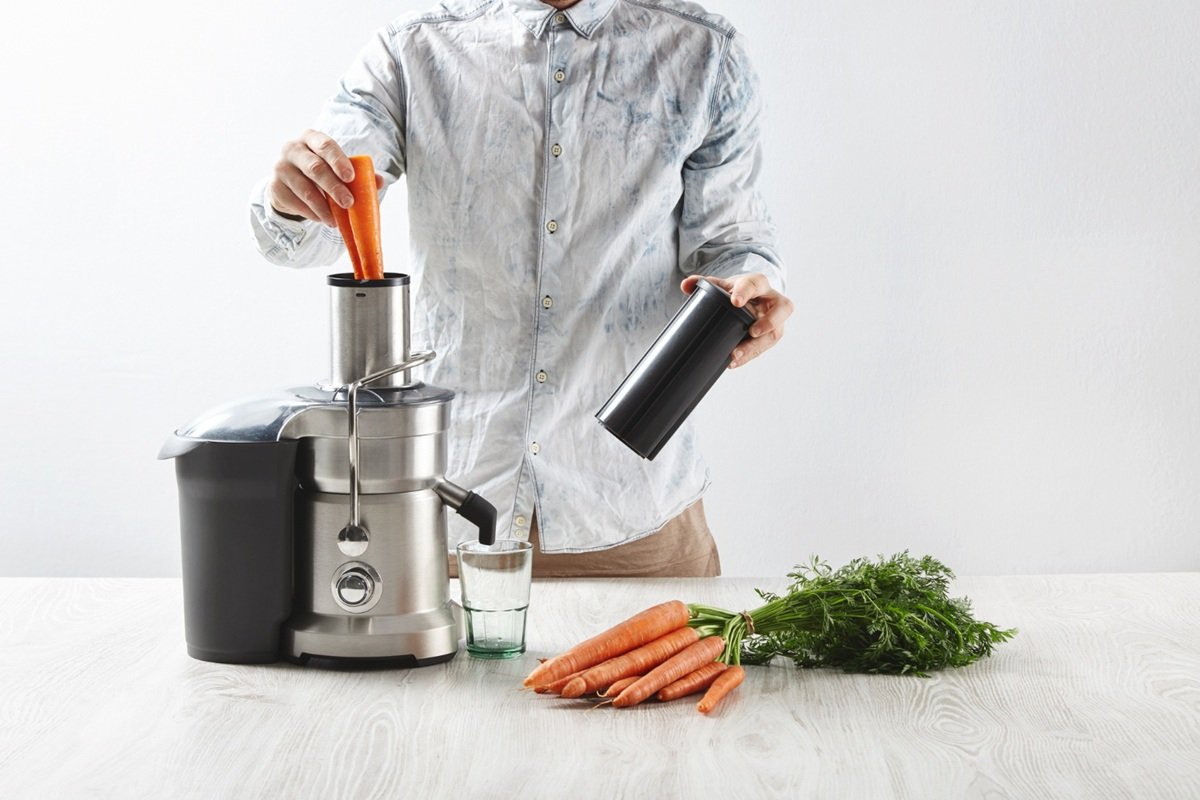

Fresh juice has become a simple part of many households. With a good juicer machine, you can turn fresh fruits and vegetables into a refreshing drink in just a few minutes. It also gives you more control over what goes into your glass, whether you prefer naturally sweet fruit juice or a lighter vegetable-based blend.
The best part is that you don’t have to stick to the same combination every day. From oranges and apples to carrots, beetroot and cucumber, there are plenty of ingredients to experiment with.
This guide covers fruits and vegetables that work well in a home juicer, how to prepare them and a few simple ways to get better results. It also looks at whether a dedicated juicer machine or a juicer mixer grinder makes more sense for your kitchen.
Fruits That Work Well in a Juicer Machine
Some fruits are naturally better suited to juicing because they contain plenty of water and release juice easily. Citrus fruits such as oranges and sweet lime are popular choices. They are refreshing, naturally sweet and make an easy addition to a morning juice.
Apples and pears are useful when you want to add sweetness to a juice without relying on sugar. Their mild flavour also pairs well with vegetables and sharper ingredients such as ginger.
Pomegranate and grapes are other good options. They add plenty of flavour and colour, although some preparation may be needed depending on the type of juicer you use.
A little preparation can also make juicing easier:
- Wash the produce: Rinse fruits thoroughly under running water before juicing.
- Remove unwanted seeds and pits: Take out large pits and hard seeds that could affect the appliance.
- Cut larger fruits into pieces: Smaller pieces are easier for the juicer machine to process.
- Peel when necessary: Remove thick or bitter peels, particularly from citrus fruits.
Seasonal Indian Fruits to Try
One of the easiest ways to keep homemade juice interesting is to follow the seasons. Watermelon and mango are popular during the warmer months, while guava and papaya can be used in different combinations throughout the year.
Seasonal fruits are often a good choice because ripe produce tends to be naturally sweeter and juicier. This can make your homemade juice more enjoyable without needing additional sugar.
Instead of buying the same fruits every week, look for what’s fresh and readily available at your local market, and build your juice combinations around it.
Vegetables That Make Great Juices
Vegetables can add a different flavour and nutritional profile to homemade juice. Carrot and beetroot are two particularly popular options because both have a natural sweetness that works well in juices.
Carrot juice has a mild, slightly sweet taste, while beetroot has a more earthy flavour. You can combine both with ingredients such as orange, apple, or ginger to create a more balanced drink.
If you prefer green juices, add spinach and other leafy greens in smaller quantities alongside milder ingredients. Cucumber is another easy option because of its high water content and subtle flavour.
Bottle gourd can also be juiced, but it requires particular care. Never juice bottle gourd if it tastes bitter, as bitter bottle gourd can contain potentially harmful compounds. Discard it rather than trying to dilute the bitterness with other ingredients.
Combining fruits and vegetables is often the easiest way to create a juice you’ll enjoy. Carrot and orange, cucumber and apple, or beetroot and apple are a few combinations worth trying.
Handling Fibrous Vegetables in Your Juicer Machine
Hard and fibrous vegetables need a little more preparation. Carrots and beetroot, for example, should be cut into smaller, evenly sized pieces before going into the juicer. This makes it easier for the appliance to process them.
Remove particularly tough, woody sections before juicing. If your machine produces more pulp than you prefer, you can strain the finished juice through a fine mesh sieve.
Don’t forget to clean the appliance after using fibrous ingredients. Pulp can quickly collect around the filter, blades and other removable parts. Rinsing these components soon after use makes cleaning much easier.
Juicer Machine vs Juicer Mixer Grinder: Which Is Better?
The choice between a dedicated juicer machine and a juicer mixer grinder depends on how you use your kitchen appliances.
A dedicated juicer machine is designed specifically for extracting juice from fruits and vegetables. If you make fresh juice regularly, it can be a convenient choice and may offer better extraction depending on the model and type of produce.
A juicer mixer grinder is more versatile. Along with juicing, it can usually handle everyday kitchen jobs such as grinding spices, making chutneys and preparing batters. This can be particularly useful in Indian kitchens where a mixer grinder is already used for several cooking tasks.
Before choosing between the two, consider:
- Juicing frequency: If you juice almost every day, a dedicated juicer may be more convenient.
- Versatility: A juicer mixer grinder can handle several jobs beyond juice extraction.
- Kitchen space: A multi-purpose appliance can be useful when you don’t want several machines taking up counter space.
- Cooking habits: If you regularly grind masalas, chutneys or batters, a mixer grinder with juicing functionality may be the more practical option.
- Cleaning: Consider how easy the appliance is to assemble, clean and store after use.
There isn’t one right answer for every household. Someone who drinks fresh juice occasionally may be perfectly happy with a multi-purpose appliance, while a regular juicer may prefer a dedicated machine.
Tips to Get More Juice and Better Flavour
The quality of your juice starts with the produce. Choose fresh, ripe fruits and vegetables that are firm but not overly soft. Produce that is too old can affect both the flavour and the amount of juice you get.
Cut ingredients into pieces that suit your machine and avoid forcing too much produce through the feed chute at once. If your juicer has different speed settings, follow the manufacturer’s instructions for softer and harder ingredients.
You can also experiment with the order in which you add ingredients. Alternating softer produce with firmer fruits or vegetables can help move pulp through the machine more smoothly.
Most importantly, drink fresh juice soon after making it. If you need to store it, transfer it to a clean, airtight container and refrigerate it promptly. Try to make only as much as you are likely to drink rather than preparing large batches several days in advance.
How to Maintain Your Juicer Machine or Mixer Grinder
Regular maintenance doesn’t have to be complicated. Cleaning the appliance after every use is one of the simplest ways to keep it working well.
Pulp and juice residue becomes harder to remove when they dry, particularly around filters and blades. Rinsing removable parts immediately after use can save you a lot of scrubbing later.
It is also worth checking the blades, filters, seals and other components occasionally. If a part is cracked, damaged or noticeably worn, replace it according to the manufacturer’s recommendations.
If you use a mixer grinder for juicing as well as everyday cooking, don’t overlook the attachments. Wash and dry each jar and component properly before storing them.
A few simple habits can help keep your appliance in good condition:
- Dry the parts properly: Allow washed components to dry completely before putting them away.
- Store it in a dry area: Keep the appliance away from areas where it is regularly exposed to steam or splashing water.
- Clean filters thoroughly: Remove trapped pulp after every use.
- Follow the manufacturer’s care instructions: If your appliance requires specific cleaning or descaling, follow those recommendations rather than relying on generic cleaning methods.
Conclusion
From refreshing citrus fruits and sweet apples to earthy beetroot, carrots and hydrating cucumber, there are plenty of fruits and vegetables that can be used in a home juicer. Mixing different ingredients also gives you plenty of scope to find combinations that suit your taste.
Choosing between a dedicated juicer machine and a juicer mixer grinder comes down to your everyday routine. If juice is a regular part of your day, a dedicated appliance may suit you better. If you want one machine for juicing, grinding and other kitchen tasks, a multi-purpose option can be more practical.
Start with a few familiar ingredients, try different combinations and see what works for you. With fresh produce and a little care, making juice at home can become an enjoyable part of your everyday kitchen routine.