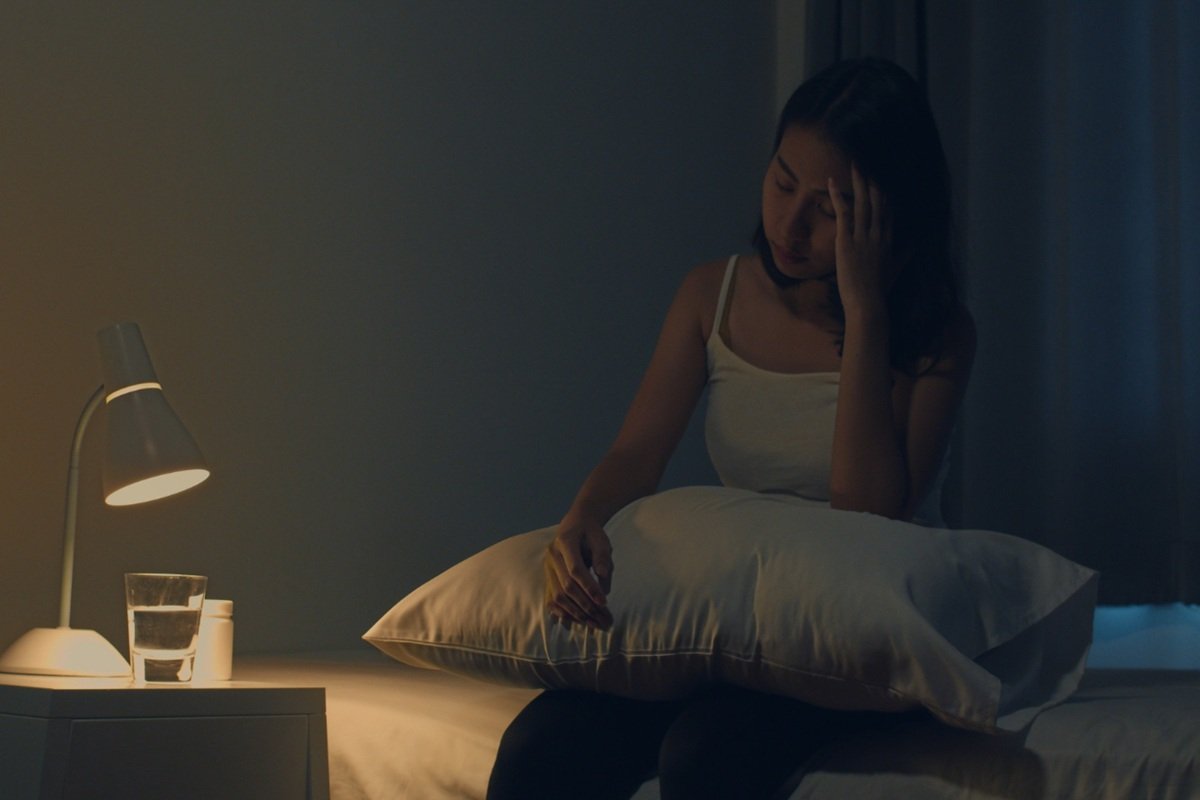

Waking up in the middle of the night feeling overheated and soaked in sweat can be frustrating. For many people, it happens occasionally after sleeping in a warm room or eating a spicy dinner. But when night sweats become a regular occurrence, they often point to changes happening inside the body rather than outside it.
Night sweats are not a condition themselves. They are a symptom that can have many different causes, ranging from hormonal fluctuations and medications to infections and certain health conditions. Understanding what may be behind them makes it easier to identify the right approach to managing the problem.
What Are Night Sweats?
Night sweats refer to episodes of excessive sweating that occur during sleep, often enough to dampen sleepwear or bedding. Unlike feeling slightly warm at night, these episodes happen even when the room temperature is comfortable and the bedding is appropriate for the season.
Sweating is one of the body’s natural cooling mechanisms. The brain constantly monitors your internal temperature and signals your sweat glands to release heat when needed. When this temperature regulation system becomes more sensitive or disrupted, sweating can occur even without an obvious reason.
Hormonal Changes Are a Leading Trigger
One of the most common reasons women experience night sweats is the hormonal transition that occurs during perimenopause and menopause.
As estrogen levels fluctuate, the body’s internal thermostat becomes more reactive. Small changes in body temperature that would normally go unnoticed can suddenly trigger an intense feeling of heat, followed by heavy sweating. These episodes often happen during sleep because hormone levels continue to fluctuate throughout the night.
Night sweats may occur alongside daytime hot flashes, but many women find that nighttime symptoms are the biggest challenge because they repeatedly interrupt sleep.
Poor sleep can then contribute to daytime fatigue, irritability, difficulty concentrating, and reduced overall wellbeing, creating a cycle that is difficult to break.
Stress Can Make Symptoms Worse
The connection between emotional wellbeing and physical symptoms is stronger than many people realise.
When the body experiences stress or anxiety, it releases hormones such as adrenaline and cortisol. These chemicals prepare the body for action by increasing heart rate and stimulating the sweat glands.
Even if stress is not the original cause of night sweats, it can increase their frequency or make them feel more intense. People who experience chronic stress often notice that their symptoms improve when they prioritise relaxation, consistent sleep routines, and stress management techniques.
Medications May Be Contributing
Sometimes the explanation is found in the medicine cabinet.
Several commonly prescribed medications list excessive sweating as a possible side effect. These include certain antidepressants, hormone therapies, medications used to manage diabetes, and some drugs that reduce fever or treat high blood pressure.
If night sweats appear after starting a new medication, it is worth discussing the change with your healthcare provider. They can determine whether the medication may be contributing and whether adjustments are appropriate.
Infections Can Trigger Heavy Sweating
Sweating is part of the body’s natural response to fighting infection.
When your immune system raises body temperature to combat viruses or bacteria, sweating helps cool the body once the fever begins to settle. This is why illnesses such as influenza and other infections may cause episodes of excessive sweating at night.
Night sweats accompanied by persistent fever, unexplained weight loss, or prolonged fatigue should always be evaluated by a healthcare professional.
Other Medical Conditions Can Affect Temperature Regulation
Although menopause is a well-known cause, it is far from the only one.
Several health conditions can interfere with the body’s ability to regulate temperature, including:
- Overactive thyroid
- Low blood sugar episodes
- Obstructive sleep apnoea
- Certain autoimmune disorders
- Some neurological conditions
Less commonly, persistent night sweats may be associated with more serious illnesses. While these are rare, ongoing symptoms without a clear explanation should not be ignored.
Lifestyle Habits Can Influence Night Sweats
Everyday choices can also affect how often night sweats occur.
Alcohol causes blood vessels to widen, making the body feel warmer. Caffeine stimulates the nervous system, while spicy foods temporarily increase body temperature. Large evening meals can also make the body work harder during digestion, creating additional heat while you sleep.
Although these factors may not be the primary cause, reducing them may lessen symptom severity for some people.
Keeping a symptom diary that includes meals, beverages, exercise, stress levels, and sleep quality can help identify personal triggers.
The Gut and Hormones Share an Important Connection
Emerging research continues to highlight the relationship between gut health and hormone balance.
The collection of beneficial bacteria living in the digestive system helps support many important processes, including immune function, metabolism, inflammation, and aspects of hormone regulation. During menopause, changes in hormone levels may also influence the diversity of the gut microbiome.
While research is still evolving, maintaining a healthy gut through a fibre-rich diet, fermented foods, and probiotics may support overall wellness during menopause. Rather than focusing solely on reducing one symptom, this approach recognises that different body systems work together to influence how we feel.
Can Nutrition Help?
Nutrition alone cannot eliminate night sweats, but it plays an important role in supporting overall health during menopause.
Many women look for a vitamin to help with hot flashes and night sweats as part of a broader wellness routine. Instead of expecting a single nutrient to provide a complete solution, it is more helpful to consider formulations that combine vitamins, minerals, probiotics, and plant-based ingredients to support multiple aspects of menopausal health.
Similarly, choosing a carefully formulated supplement for night sweats should complement healthy habits rather than replace them. Balanced nutrition, regular physical activity, restorative sleep, and medical guidance all contribute to effective symptom management.
Practical Ways to Sleep More Comfortably
Although treatment depends on the underlying cause, small adjustments can make nights more manageable.
Some helpful strategies include:
- Keep the bedroom cool and well ventilated.
- Choose lightweight, breathable sleepwear.
- Use moisture wicking bedding if needed.
- Limit alcohol and caffeine during the evening.
- Avoid heavy or spicy meals close to bedtime.
- Maintain a regular sleep schedule.
- Stay physically active during the day.
- Practise stress management techniques such as meditation or deep breathing.
These habits may not eliminate night sweats, but they can improve sleep quality and reduce discomfort.
When Should You Seek Medical Advice?
Occasional night sweats are usually not a cause for concern. However, it is important to speak with a healthcare professional if they:
- Occur frequently over several weeks.
- Consistently soak your bedding or clothing.
- Are accompanied by fever or chills.
- Occur with unexplained weight loss.
- Are associated with swollen lymph nodes.
- Cause significant disruption to your sleep or daily life.
A healthcare provider can evaluate your symptoms, review your medications, and recommend appropriate testing if necessary.
Conclusion
Night sweats are often the body’s way of signalling that something has changed. For many women, hormonal fluctuations during menopause are the most common explanation. For others, medications, infections, stress, lifestyle habits, or underlying health conditions may be responsible.
Instead of focusing on a quick fix, it is worth taking a broader view of your health. Supporting hormone balance, prioritising good sleep, maintaining gut health, eating a nutrient-rich diet, and addressing any underlying medical concerns all contribute to better long-term wellbeing. Understanding the root cause of night sweats allows you to make informed decisions that support not only more comfortable nights but also better overall health.