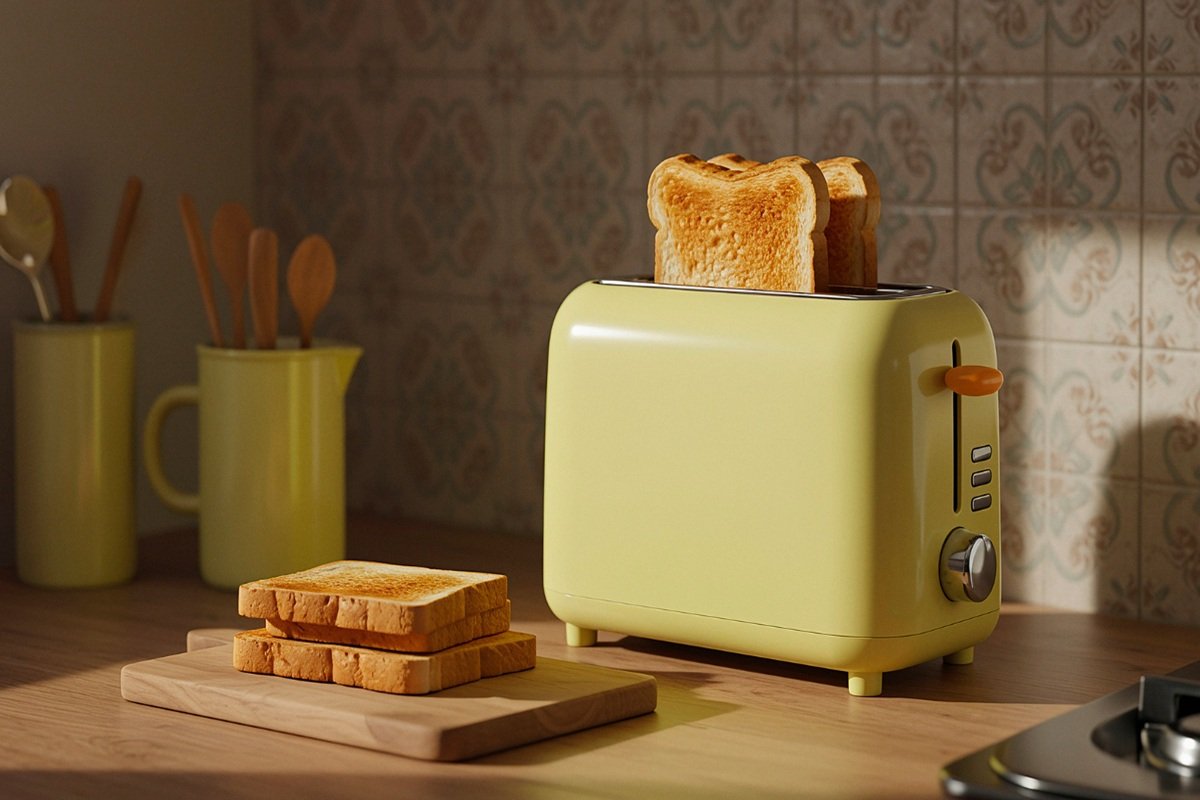

There is something deeply comforting about a warm, crispy slice of toast in the morning. Yet toasting bread can go wrong more often than we admit, leaving you with pale, soggy slices or burnt edges that taste bitter. A good toaster should take the guesswork out of your morning routine and deliver the same golden result every time.
This guide walks you through settings, bread types and the common mistakes that ruin a perfectly good slice. Whether you use a basic pop up model or a larger appliance, understanding how your machine works makes a real difference. With a few simple tips, breakfast can go from a daily gamble to a reliably satisfying start to your day.
Understanding Your Toaster: The Basics That Matter
Every toaster relies on heating elements, usually thin metal coils, that glow and radiate heat onto the bread surface. A browning dial controls how long these elements stay active, which decides whether your toast comes out light golden or deep brown. Knowing this elementary mechanism helps you make sense of why toast sometimes turns out uneven or inconsistent.
Two broad styles are available for home use. Pop up slot toasters are compact and toast bread vertically, popping the slices up once done. Toaster oven styles work more like a mini oven, toasting bread on a tray with heat from both top and bottom, which suits thicker items like buns or bread with toppings.
Slot width and wattage matter more than most people realise. Narrow slots may not fit thick, homemade or bakery style bread properly, causing uneven toasting. Higher wattage means faster heating, so a 750 watt machine will toast quicker than a 500 watt one, though this also depends on how well the heating coils are maintained.
Before you use your appliance daily, spend a few minutes getting familiar with its dials, timer settings, and slot depth. This small step with your toaster machine saves you from burnt breakfasts and wasted bread later.
Choosing the Right Bread Toaster for Your Kitchen
Picking the right appliance depends on your household size and kitchen space. A compact two slice model works well for individuals or small families with limited counter space. Larger families or those who entertain guests often benefit from a multi slice bread toaster that can handle four slices at once, saving time during busy mornings.
When buying, always check the wattage rating and safety certification marks on the box or appliance base. These certifications confirm that the wiring and heating elements meet foundational safety standards, which matters for an appliance used daily near an electrical socket.
Think about your counter space and daily bread consumption before choosing a size. A tiny kitchen with a small family doesn’t need a bulky four slice unit taking up valuable counter space. Matching the toaster size to your actual needs, rather than buying the biggest available option, gives you better long term value.
The Perfect Setting for Different Bread Types
Not all bread behaves the same way inside a toaster, so understanding these differences helps you get consistent results. Here is how common bread types respond to heat and time settings:
- White bread: Toasts quickly because of its lower density, so a medium browning setting usually gives a golden, crisp result without drying it out.
- Brown bread: Slightly denser than white bread, it often needs one setting higher on the browning dial to get an even, crisp finish.
- Multigrain bread: Contains seeds and grains that can brown unevenly, so a slightly lower heat with a longer toasting time works better than high heat alone.
- Thick-cut slices: Use lower heat and a longer toasting time, since high heat browns the surface before the inside warms through.
- Frozen bread: Ideally, use a dedicated defrost setting if available, or lower heat with two shorter toasting rounds to avoid burnt edges with a cold centre.
- Stale bread: It dries out faster in a toaster, so it usually needs less time than fresh bread to avoid turning overly hard or brittle.
Getting familiar with how your specific loaf responds takes a little trial and error. Once you know the right combination of heat and time for your usual bread type, toasting becomes almost automatic.
Common Mistakes That Ruin Your Toast
Even with a reliable appliance, certain habits can consistently spoil your toast. Recognising these mistakes is the first step toward fixing them for good.
- Overcrowding the slots: Squeezing in thick or oddly shaped slices restricts airflow around the bread, leading to patchy, uneven browning.
- Ignoring the crumb tray: A tray full of old crumbs blocks proper heat circulation and can even become a fire hazard over time.
- Skipping the cooling gap: Running back to back toasting rounds without a short pause causes the machine to overheat, often resulting in darker, quicker burning on the second round.
- Mismatched bread thickness: Forcing extra-thick or extra-thin slices into a standard toaster designed for regular bread leads to inconsistent results and sometimes jamming.
Most of these mistakes are easy to fix once you notice the pattern. Small adjustments, like giving your appliance a short rest between rounds, can noticeably improve your toast quality.
Maintenance Tips to Keep Your Toaster Machine Working Well
Regular maintenance helps your appliance perform consistently and safely over the years. A few simple habits go a long way in extending its working life.
- Clean the crumb tray weekly: Removing accumulated crumbs prevents blockages and ensures even heat distribution during each toasting cycle.
- Wipe the exterior regularly: A damp cloth on the outer body removes grease and dust, keeping the appliance looking and functioning well.
- Check the power cord: Inspect for frays, cuts or loose connections periodically, since a damaged cord poses a genuine safety risk.
- Store it properly: Keep the appliance covered or in a dry spot away from moisture and dust when not in daily use, especially during humid months.
These checks take only a few minutes but make a noticeable difference over months of daily use. A well cared for bread toaster continues to deliver reliable, even results long after purchase.
Quick Troubleshooting for Uneven or Burnt Toast
Sometimes your toast turns out wrong even when you follow the right settings, and that usually points to a fixable issue rather than a faulty appliance. Here are common problems and their practical solutions:
- Uneven browning: Often caused by dust or crumb buildup on the heating coils, which blocks even heat distribution across the slice.
- Toast popping too early: Usually means the browning dial is set too low, or the bread is thinner than what the setting is calibrated for.
- Toast popping too late: Can happen when the dial is set too high, or when the appliance has been used continuously without a cooling break.
- Persistent problems despite cleaning: If issues continue after cleaning and adjusting settings, it may be time to have a qualified technician service your toaster.
Before assuming your appliance is faulty, always rule out simple causes like a dirty crumb tray or an incorrect setting. Most toasting problems have straightforward fixes that do not require replacing the entire unit.
Conclusion
Getting perfectly toasted bread comes down to understanding your appliance, choosing the right setting for your bread type, and avoiding a handful of common mistakes. Recurring cleaning and simple maintenance checks keep your machine performing reliably for a long time. None of these steps require much effort, yet together they make a real difference to your daily breakfast.
A well maintained toaster takes the uncertainty out of your morning routine and gives you consistent, golden results every time. Once you understand how your appliance behaves with separate bread types, feel free to experiment confidently with multigrain, brown or even homemade loaves. Good toast really is just a few thoughtful habits away.